
Frequently Asked Questions
McMaster has been developing needle-free vaccines for more than 20 years. This research started out with the goal of developing an effective needle-free, inhaled vaccine for tuberculosis (TB). During the COVID-19 pandemic, researchers pivoted their work to face SARS-COV2. McMaster’s new inhaled COVID-19 vaccine is being developed on the premise that it provides better protection against serious respiratory infections than the protection provided by traditional, needle-based vaccines. While it won’t replace all traditional vaccines, it may provide another option for individuals. This vaccine is currently in Phase 2 human trials.
Human trials are research studies that involve consenting human participants. They are conducted to evaluate the safety, efficacy, and quality of health interventions before they are approved for clinical use. In Canada, candidate vaccines must pass through four phases of human trials. Phase 1 studies involve testing products on a very small group of consenting participants to examine safety and to identify potential side-effects. Phase 2 trials involve a larger group of consenting participants — typically hundreds of people — to optimize dosage and gather data on vaccine safety and performance. Phase 3 trials require studies on thousands of consenting participants, to verify the data gathered in the first two trial phases in a much larger, more representative population and to definitively establish efficacy. Only vaccines deemed safe and effective after this point become eligible for Health Canada approval. Phase 4 trials occur after the vaccine is approved and on the market. During this phase, vaccines are closely monitored by health officials to measure long-term benefits and risks. McMaster’s inhaled COVID-19 vaccine is currently in Phase 2 trials.
McMaster’s vaccine trials are advertised through posters and websites. Individuals participating the trials are doing so voluntarily. Participants realize they may not personally benefit from being in the trials study but are willing to contribute to the advancement of medical research. All participants are modestly compensated for their time. Compensation is a standard and ethical practice for trials in Canada. The AeroVax inhaled COVID vaccine trial has been approved by Health Canada and independent ethics review boards at each trial site. To find our more about participating in the AeroVax study, please visit the trial website (aerovax.ca).
The AeroVax inhaled COVID-19 vaccine study involves the use of a placebo, which is an inactive substance, like saline. Responses to the placebo are compared to responses to the study vaccine to identify effects of the study vaccine.
Participants who enrol in the study are randomly assigned to receive either the inhaled COVID-19 vaccine or a placebo. Being randomly assigned means that participants are put into a computer-generated group based only on chance. This study randomizes participants in a 2:1 ratio, which means that for every three participants, the computer will randomly assign two participants to receive the vaccine and one participant to receive the placebo. Neither the research team nor the participants know whether a vaccine or a placebo is being administered and the resulting data are completely anonymized. This keeps all findings objective.
People who successfully enrol in the AeroVax trial must personally visit one of three testing laboratories (Hamilton, Ottawa, or Halifax) up to five times over an eight week study period. During the second study visit, participants will use a personal inhalation device to inhale the vaccine or placebo over a two-minute period. Participants are asked to record their temperature once a day and to document any symptoms that they may experience for the first seven days after receiving the vaccine or placebo. This is done to document any side effects and to monitor the safety of the vaccine. At the remaining visits, participants are required to report any symptoms they may have and provide blood samples so that the researchers can monitor immune responses in the blood.
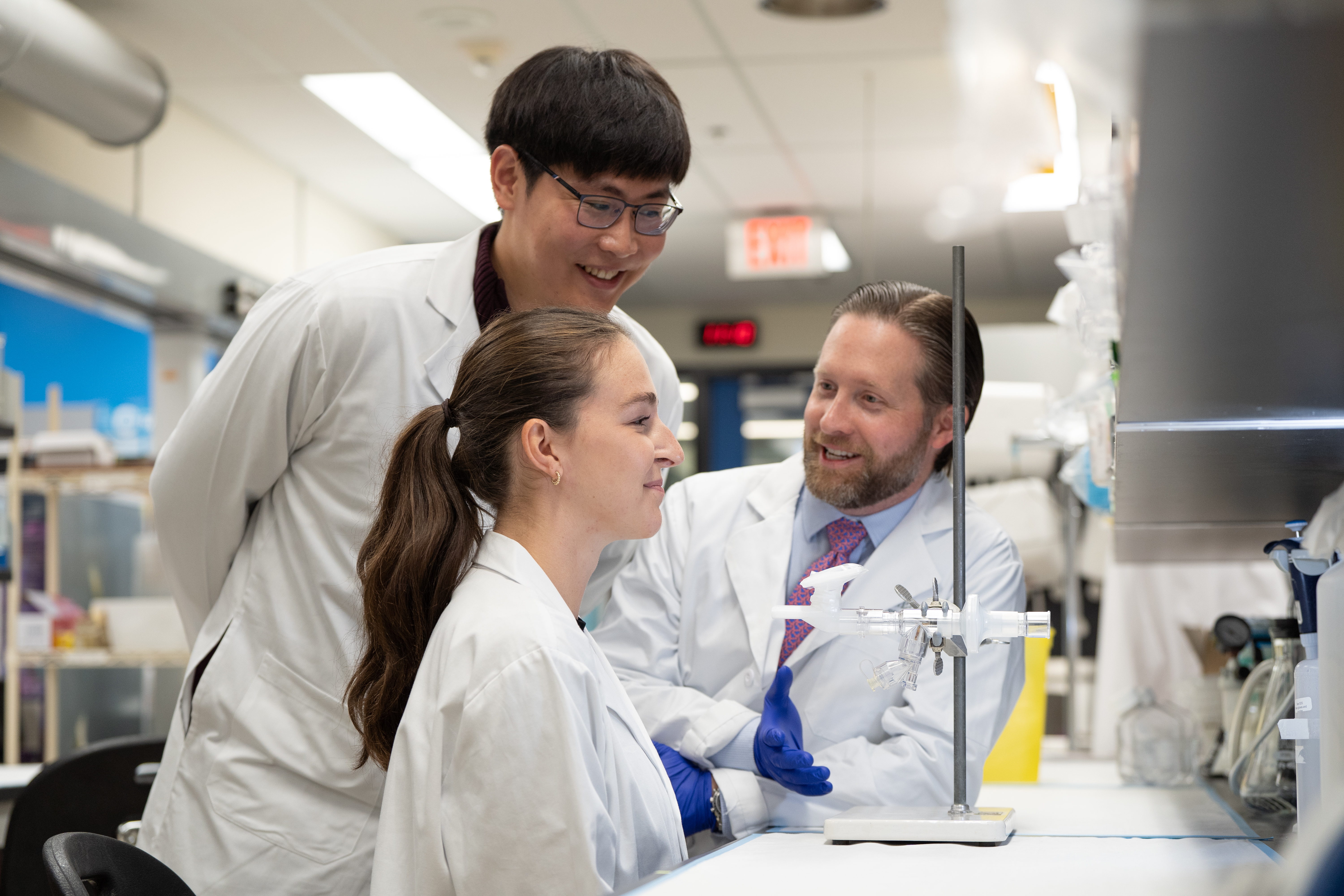
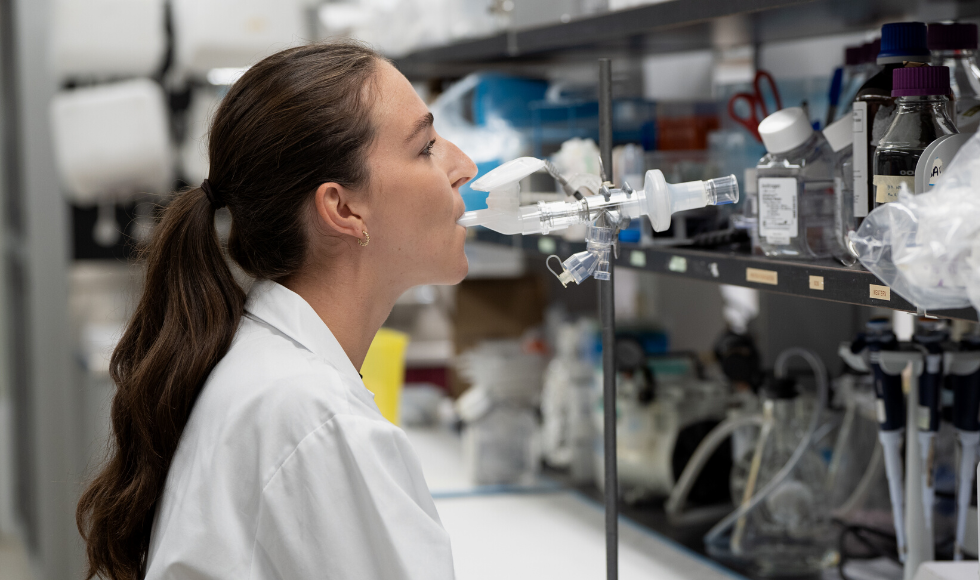
McMaster’s candidate vaccine is administered using a personal inhalation device called a nebulizer. Nebulizers have been used for many years to deliver inhaled medicines to individuals with various lung conditions. A demonstration video is available here. The vaccine begins as a liquid, stored in a vial. This liquid is poured into a personal inhalation device which converts the liquid into a fine mist. This mist is then intentionally inhaled from the device by the person receiving the vaccine through regular breathing. This vaccine cannot take effect without using this personal device. In other words, it is not possible to be unknowingly immunized with this vaccine.
There are many types of vaccines approved for use in humans, including mRNA, live-attenuated, inactivated, recombinant, and viral vector. McMaster’s inhaled vaccine is an adenoviral vector vaccine. The adenovirus, when not modified, causes upper respiratory symptoms associated with the common cold. Viral vector vaccines use a virus particle as a “protective shell” to deliver the vaccine. The virus in McMaster’s COVID-19 vaccine is modified so that it cannot cause any symptoms or an infection. This type of vaccine has been studied for decades. Viral vector vaccines were used to stop two very serious Ebola outbreaks in Africa. McMaster is leveraging this proven technology for its needle-free platform.
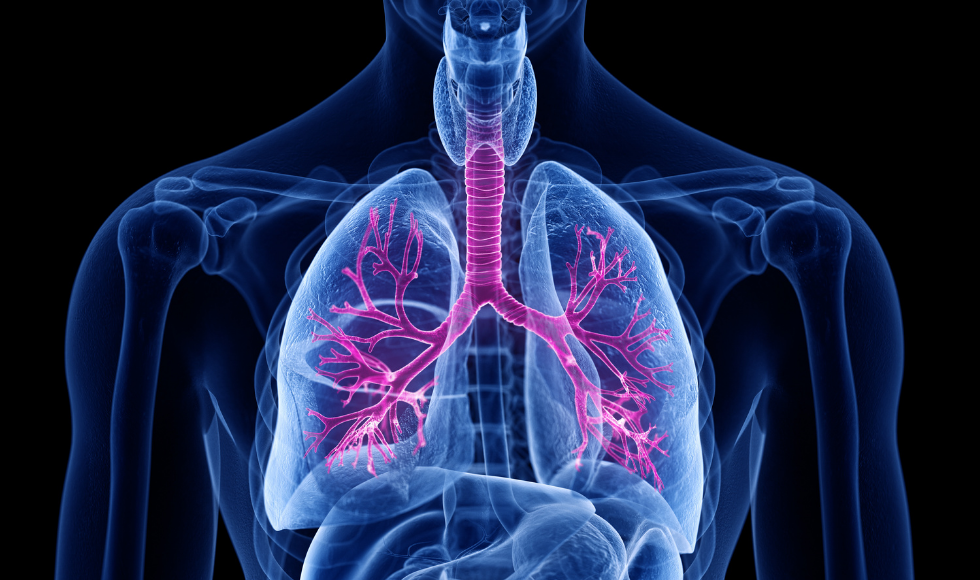
Needle-free vaccine delivery has many benefits. First, it eliminates the pain and discomfort associated with injection of traditional vaccines. It also reduces the stress or anxiety that many people experience around needles. Most importantly, though, inhalable vaccines designed for respiratory infections are anticipated to be more effective at triggering protective immune responses than traditional injectable vaccines are, because instead of going through the bloodstream, they bolster immunity directly in the lungs and upper airways, which is where these viruses first enter the body.
This research is supported by funds from the Canadian Institutes of Health Research; the National Sanitarium Association of Canada; the Canadian Foundation for Innovation; the Government of Ontario; the federal Canada Research Chairs Program; and McMaster University.
This vaccine is well along the journey through the development pipeline; however, it must still complete Phase 2 and Phase 3 trials before it is even eligible for market approval. Phase 2 trials often take two or more years to complete; Phase 3 trials can take even longer. Following that, the government approval process can take some time, and, if approved, the vaccine will be subject to Phase 4 studies before it becomes a fixture in clinics.
Developments & Milestones
McMaster News ➚
Promising results from Phase 1 human trials of McMaster’s inhaled COVID-19 vaccine
In the News
Brighter World ➚
Made-at-McMaster inhaled COVID-19 vaccine begins Phase 2 human clinical trial
In the News
Brighter World ➚
McMaster's inhaled COVID-19 vaccine receives more than $8M for next stage of human trials
In the News
Meet the Researchers

Brian Lichty
Associate Professor, Department of Medicine and Director, Robert E. Fitzhenry Vector Lab